Push the Patient Duo Mode — Push, Steer, Survive Together
Split roles, call brakes, swap smart, and clear the hospital as a chaotic team of two.
Duo mode is the main event
Push the Patient advertises a 2-player duo mode for a reason. One player pushes and brakes. The other lies in the bed and steers. You scream together, crash together, and can swap places anytime. Solo is valid practice, but duo is where the comedy and the coordination puzzle fully unlock.
This guide goes deep on role split, communication, swap timing, crash recovery, and voice options. For input details see Controls. For specialist playbooks see Pusher Role and Patient Role. For routes see the Walkthrough.
Role split that actually works
Pusher / braker
The pusher controls momentum. Your job is not “go fast.” Your job is deliver the bed to the steerer’s line at a usable speed. That means:
- Soft acceleration on unfamiliar segments.
- Early brakes before rails, pill clusters, and drop lips.
- Full stops when the steerer asks for a reset angle.
- Zero ego about looking slow—restarts are slower than crawling.
Great pushers narrate briefly: “pushing,” “braking,” “holding.” Those three words prevent half of all duo wipes.
Patient / steerer
The patient aims the bed. Your job is keep the nose on the safe path and request speed changes early enough for the pusher to react. That means:
- Small steering corrections instead of panic spins.
- Looking ahead and calling “brake” before the hazard, not during the fall.
- Trusting the pusher to stop when asked—do not fight with wild steer spam.
- Staying calm after near misses so the next correction is clean.
Great steerers sound boring on voice chat. Boring is fast.
Communication rules
Agree on a tiny vocabulary before the run:
- Push — apply force now.
- Soft — gentle force only.
- Brake — scrub speed now.
- Stop — full halt.
- Left / right — heading change.
- Hold — do nothing; steerer is lining up.
- Swap — change roles on the next safe flat.
Avoid novels mid-rail. “There is a pill thing coming up on the left after the second rail maybe brake?” arrives after you already fell. Prefer “Brake. Left.”
If one player is quieter, put the talkative player on the role that needs more callouts for your current section. On precision rails, the steerer often needs to talk more. On long drop approaches, the pusher often leads the timing calls.
Voice chat reality check
The Roblox experience lists Voice Chat: Not Supported. Do not plan your night around in-experience proximity voice. Use:
- Discord,
- a phone call,
- or another external party chat,
…while you play. Text chat alone can work for chill early floors, but mid and hard sections need faster signals than typing allows.
Silent duo is still possible with movement cues: the pusher can stop as a question, the steerer can wiggle heading as a “not ready” signal. It is just harder. External voice is the quality-of-life upgrade the game itself does not provide.
When to swap roles
Swap when:
- One player is tilted on their current job.
- A section matches the other player’s strength (for example, a precision steer maze versus a brake-heavy drop run).
- You have been in the same roles for a long streak and want fresh focus.
- Someone joins mid-session and needs a turn in the bed for the joke alone.
Do not swap when:
- You are already on a narrow rail.
- You are mid-air over a drop.
- You are inside a dense hazard cluster with no flat recovery space.
Protocol: call “swap,” both confirm, reach flat ground, stop completely, swap, re-center cameras, then resume with a soft push. Skipping the full stop is how swap attempts become comedy crashes.
Crash recovery playbook
Crashes will happen. Duo recovery is a skill:
- Laugh once — tilt spreads faster than the bed rolls.
- Name the cause in five words — “Late brake before rail,” not a speech.
- Assign the fix — who changes behavior on the retry.
- Reset cameras and roles if either feels wrong.
- Retry at lower speed until the line is proven.
If you wipe three times identically, change something structural: swap roles, lower speed another notch, or watch a short clip of that segment in the Walkthrough resources. Repeating the same full-speed plan is not practice; it is a loop.
Duo strategies by hazard type
Pills and clutter
Treat pill fields as vision and pathing noise. Steerer calls the clean lane early. Pusher keeps speed modest so a bump does not become a launch into a drop.
Rails
Rails punish speed and late steer. Default duo script: stop before entry, steerer sets heading, pusher soft-pushes, steerer micro-corrects, pusher brakes before exits or gaps. If either player feels rushed, stop again—rails allow pride deaths.
Drops
Drops need agreed approach speed. Pusher leads: “soft to the lip, then hold.” Steerer keeps the bed square to the landing. After landing, immediate brake before the next joke hazard appears.
Themed later zones
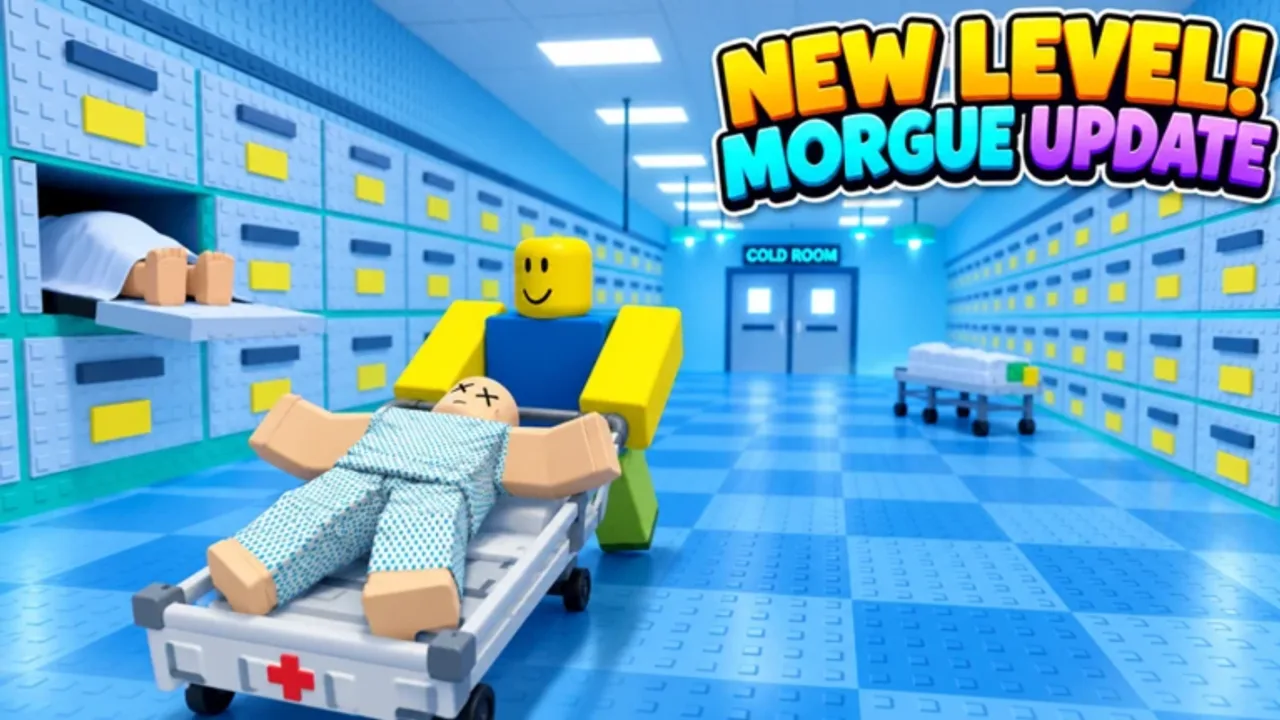
Nursery-style toy chaos and morgue-style drawers/gurneys change set dressing more than the verbs. Same rules: see hazard, call brake, steer early, swap only on flats. When a section feels uniquely brutal (community often cites a dumbbell stretch on later levels), open Hard Levels and consider a role swap dedicated to that fight.
Pairing with friends who are new
If one player is brand new:
- Put the experienced player on pusher first so speed stays sane.
- Run the tutorial and early floors as a teaching lap, not a speedrun.
- Explain the vocabulary once before the first real hazard.
- Celebrate clean brakes louder than flashy clears—that reinforces the right habit.
If both are new, still duo. Learn together, keep speeds low, and use Getting Started as your shared checklist.
Solo players converting to duo
Coming from solo, you may try to steer and push mentally even when you only own one role. Unlearn that. If you are pusher, trust the steerer’s heading. If you are patient, trust the pusher’s brake. Dual-thinking both jobs while only controlling one creates hesitation and late inputs.
Session structure for productive duo nights
- Five-minute control warm-up on easy ground.
- Agree vocabulary and who starts in which role.
- Clear early floors with intentional soft pushes.
- On first hard wall, swap once before rage.
- End on a clean segment so the night feels like progress.
Watch a lively duo session for vibes, then impose more discipline than the entertainment edit shows. Creators crash for content; your goal is clearing the hospital with the patient still aboard.
Related pages
- Pusher Role — deep pusher/braker guide.
- Patient Role — deep steerer guide.
- Walkthrough — structured early/mid clear notes.
- Hard Levels — dumbbell, rails, drops mindset.
- Controls — PC/mobile input habits.
Duo mode turns Push the Patient from a quirky solo obby into a cooperative physics argument you can win—if you brake when your partner says brake.
Frequently Asked Questions
Quick answers for duo runs, codes, updates, and stubborn hospital levels.
Can we swap roles during a level?
Yes. Swap anytime, but only on flat safe ground after a full stop. Never swap mid-rail or mid-drop.
Does Push the Patient have built-in voice chat?
Voice chat is listed as not supported for this experience. Use Discord or another external call while you play.
Who should push if one of us is new?
Usually the more experienced player should push first to keep speed under control while the new player learns steering.
What callouts matter most?
Keep a tiny set: push, soft, brake, stop, left, right, hold, swap. Short words beat long warnings delivered too late.
We keep crashing on the same rail. What now?
Full stop before entry, lower approach speed, consider a role swap, and name one specific fix before the next attempt.