Push the Patient Solo Mode — Push, Steer, and Survive Alone
Master multiplexing both jobs on the hospital bed when no teammate is online.
Solo is a real way to clear the hospital
Push the Patient by Myriagone is marketed as a 1–2 player obby, and duo is the comedy highlight—but solo mode is fully valid. Alone, you own every push, every brake, and every steer correction on the rolling bed. That multiplexing is harder than splitting roles, yet it is also the fastest way to learn the map, practice without scheduling friends, and grind a wall until the line sticks.
This page is the deep solo playbook: how to think like pusher and patient at once, when solo is actually better than duo, how to structure practice loops, how to recover from crashes without a partner, and when you should stop stubborn solo attempts and open Duo Mode instead. Pair it with Getting Started, Controls, and the ending-focused How to Beat guide when you want the big clear picture.
What “multiplexing” means in this game
In duo, one avatar pushes/brakes while the other steers from the bed. In solo, those jobs still exist as mental modes even though your hands switch between them (or blend them on one control scheme). Treat every segment as a tiny script:
- Scout / aim — stop or creep; decide the heading like a patient steerer.
- Commit push — apply soft force like a disciplined pusher.
- Micro-correct — small steer only; do not invent mid-air heroics.
- Brake — scrub speed before the next pill cluster, rail, or drop lip.
- Reset camera — crooked cameras invent “mystery” wipes after crashes.
If you skip the scout step and hold full push while steering wildly, you are not “playing solo”—you are volunteering for the same wipe on loop. Read Pusher Role even as a soloist; the speed-management habits transfer one-to-one.
When solo is better than duo
Choose solo when:
- You are learning layout and do not want to narrate every corner for a friend.
- You need focused reps on one wall (especially late precision work the community cites around level 8 / the dumbbell stretch).
- Voice setup would eat the session—remember in-experience voice is not supported; duo needs Discord or another external call.
- Your partner tilts faster than the bed rolls, and you want calm practice tonight.
- You want to master brake marks without negotiating pace.
Duo still wins for shared comedy, second sight lines, and true role specialization. Solo wins for deliberate learning. Many strong pairs practice a wall solo, then clear it duo with shared notes.
Solo control rhythm (PC and mobile)
Lock device habits on Controls first, then adopt a rhythm you can say out loud:
“Brake. Aim. Soft. Correct. Brake.”
- Brake before you enter the puzzle, not after you are already sideways.
- Aim while nearly stopped so heading is honest.
- Soft push is the default; full push is unlocked only on known straights.
- Correct in tiny increments—panic spins on rails are free falls.
- Brake again after a clear so celebration speed does not gift the next hazard.
On mobile, resist “thumb spam.” On PC, resist holding the push input through corners because it feels productive. Solo deaths are usually overspeed while multitasking, not missing a secret skip.
Practice loops that actually raise your clear rate
Random full runs teach less than structured loops. Use a 25–40 minute block:
- Warm-up (5 min) — easy early corridor, two clean finishes, camera and brake feel only.
- Wall isolation (15–20 min) — retry the same hard segment with one variable changed per attempt (earlier brake, slower entry, different pre-aim).
- Link (5–10 min) — clear from the wall into the next safe pad so the win sticks under forward pressure.
- Notes (2 min) — write one cause tag: speed, heading, camera, or greed.
If checkpoints force long approaches, treat the approach as brake-timing warm-up, not dead time. Keep the Run Checklist nearby so settings and goals stay honest.
For brutal late rooms, open Hard Levels and copy the dumbbell / rail / drop protocols at one speed notch slower than duo pairs use. Solo needs that margin because you cannot offload micro-steer to a partner.
Crash recovery alone
Without a teammate, tilt has nowhere to go except into your next push. Use a solo recovery script:
- One laugh or one breath — break the rage loop.
- Five-word cause — “Late brake before rail,” not a speech to yourself.
- One change only — earlier stop, softer push, or higher camera—not all three at once.
- Full stop + camera reset before the retry.
- Creep attempt until the line is proven, then slightly raise speed.
Three identical wipes means the plan is wrong. Change the plan. Ten identical wipes means you are farming frustration. Walk away for two minutes or switch to an easier segment so the session ends with a clean success.
Hazard notes for solo players
Pills and clutter
Vision noise is worse alone because nobody calls the clean lane. Enter slower than ego allows. If you cannot see the exit, you should not be at medium speed.
Rails
Stop before entry. Set heading. Soft only. Micro-correct. Brake before exits. Narrating the five-word rhythm out loud replaces a steerer’s callouts.
Drops
Square early. Soft to the lip. Commit. Land. Immediate brake. Post-drop celebration is a classic solo wipe into the next prop.
Nursery / morgue dressing
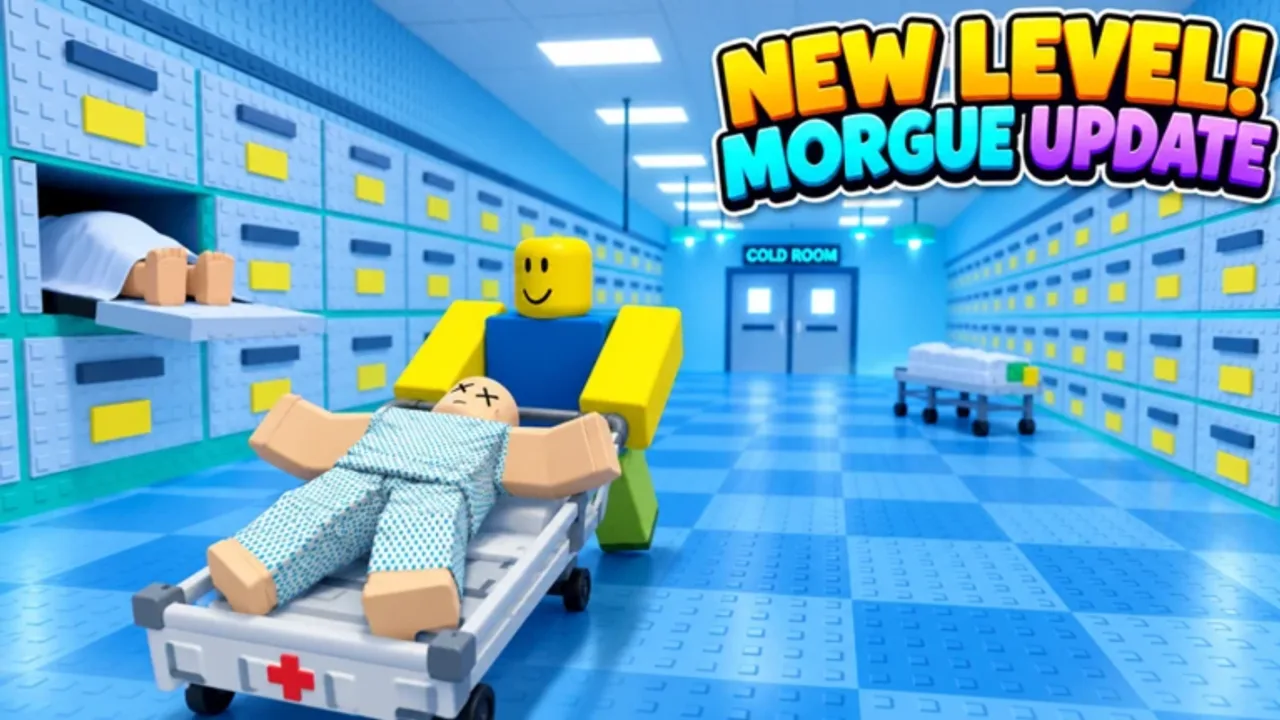
Toys, drawers, gurneys, and cold-room vibes change silhouettes more than verbs. First pass through a themed wing is a scout at crawl speed. Confirm live event windows on Updates and the Morgue Update page when that content is active.
Level 8 / dumbbell-class walls
Community players often stall on later precision gates. Solo strategy: scout the full gap stopped, mark a soft corridor, refuse hero pushes, and brake the instant you clear so the next joke hazard does not punish the win. Details and duo alternatives sit in Hard Levels; ending pacing sits in How to Beat.
When to switch to duo
Switch (or invite a friend) when:
- You understand the line but keep failing the simultaneous push+steer demand.
- A section clearly wants one brain on brakes and one on heading.
- You are practicing for a shared clear night and need callout rehearsal.
- Comedy and accountability will keep you playing longer than silent retries.
Before duo, agree on the tiny vocabulary—brake, soft, left, right, hold, swap—and use external voice. Role depth lives on Pusher Role and Patient Role; communication habits expand on Callouts.
Do not “switch to duo” mid-rail in your head while still solo—pick a mode for the attempt and commit.
Solo session goals that beat pride clears
Pick one primary goal per night:
- Learn early floors via Walkthrough.
- Solve one hard room from Hard Levels.
- Drill soft-only laps until full push feels optional.
- Scout a themed zone without expecting a PB.
- Prepare notes to hand a duo partner tomorrow.
A night that produces one stable line is a better investment than a night of full-speed resets that teach nothing.
Common solo mistakes
- Holding push while steering through every corner.
- Skipping full stops because “it costs time.”
- Raising speed after a lucky near-clear instead of repeating the safe line.
- Ignoring camera reset after crashes.
- Grinding one wall for an hour with zero variable changes.
- Blaming the game for multiplexing limits the mode itself advertises.
Related pages
- Getting Started — day-one orientation.
- Controls — device-specific input habits.
- Duo Mode — when you bring a friend.
- Hard Levels — dumbbell, rails, drops.
- How to Beat — pacing toward a full clear.
- Pusher Role — speed management mindset.
- Run Checklist — pre-session setup.
Solo mode turns Push the Patient into a personal physics exam. Brake earlier than pride wants, steer smaller than panic wants, and the hospital eventually runs out of ways to drop you—even when nobody else is there to hear the crash.
Frequently Asked Questions
Quick answers for duo runs, codes, updates, and stubborn hospital levels.
Is solo mode viable for a full clear?
Yes. Solo is harder because you multiplex push and steer, but careful soft pushes, full stops, and focused practice loops can clear the hospital without a partner.
How do I practice push and steer alone?
Use a rhythm: brake, aim, soft push, micro-correct, brake again. Say it out loud on rails so you do not hold full speed while panicking the stick.
When should I switch from solo to duo?
Switch when you know the line but cannot execute both jobs at once, or when a wall clearly needs split brake and steer brains. Use Discord—in-experience voice is not supported.
Why do I keep failing the same late section solo?
Usually overspeed while multitasking. Isolate the wall, change one variable per attempt, and read Hard Levels plus How to Beat for dumbbell-class gates.
What should a solo practice session look like?
Warm up on easy ground, isolate one wall for focused reps, link into the next safe pad, then write a one-line cause note. Use the Run Checklist to keep goals honest.